
How to Use Binance in 2017: A Beginner’s Guide to the Early Crypto Exchange
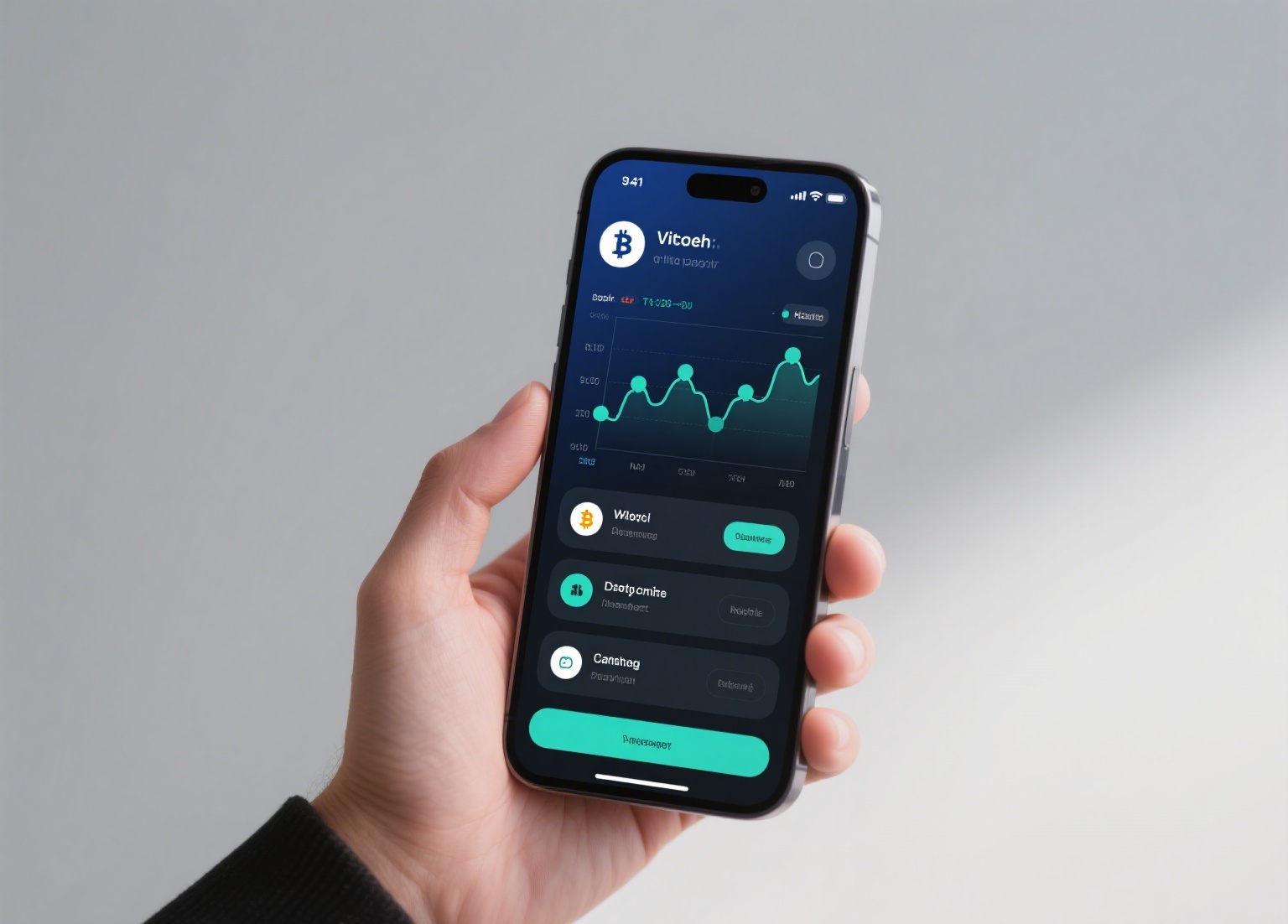
In 2017, Binance was a relatively new but rapidly growing cryptocurrency exchange. Founded in July 2017, it quickly became a favorite among traders due to its low fees, wide range of altcoins, and strong security features. If you were looking to use Binance in 2017, the process was straightforward but required some careful steps, especially for newcomers.
First, you needed to create an account. Visit the Binance website and click “Register.” You would provide an email address and create a strong password. In 2017, Binance encouraged two-factor authentication (2FA) via Google Authenticator for added security—a must to protect your funds. After verifying your email, you could log in.
Next came depositing funds. In 2017, Binance did not support direct fiat deposits like USD or EUR. You had to buy Bitcoin (BTC) or Ethereum (ETH) from another exchange (such as Coinbase or Kraken) and send it to your Binance wallet. Navigate to “Funds” then “Deposits Withdrawals,” find BTC or ETH, and copy your deposit address. Transfer the crypto from your other exchange to this address. The transaction usually took 10-30 minutes depending on network congestion.
Once your crypto arrived, you could start trading. Go to “Exchange” and choose “Basic” or “Advanced” view. In the basic view, you saw a simple buy/sell interface. Select a trading pair, such as ETH/BTC. Enter the amount of ETH you wanted to buy with your BTC, or use a market order for instant execution at current price. Limit orders allowed you to set a specific price. In 2017, the interface was more minimal compared to today, but it was functional and fast.
A major highlight of Binance in 2017 was its Initial Coin Offering (ICO) platform, Launchpad. Many projects, like Gifto and Bread, launched on Binance, giving early users opportunities to invest at ground level. However, these ICOs required you to hold Binance Coin (BNB) in your account to participate. BNB, the native token, was also used to pay transaction fees at a 50% discount during the first year, which saved traders substantial money.
Security was a priority even in 2017. Binance had a “Security” section where you could enable withdrawal whitelists, disable phone SMS authentication due to SIM swap risks, and review login activity. It was wise to never share your private keys or API secrets. In case of any issue, the support team was reachable via email, albeit with slower response times due to high demand.
Withdrawals were the final step. When you wanted to move your profits to a personal wallet or another exchange, go to “Funds” > “Withdrawals.” Enter the destination address and the amount. Note that in 2017, some altcoins had high withdrawal fees, so double-check before confirming. Always start with a small test transaction.
Overall, using Binance in 2017 was an experience of exploring a cutting-edge platform with great liquidity and innovation. The exchange’s simplicity, low fees, and rapid listing of new coins made it a go-to for early crypto adopters. While the interface has evolved since then, the core steps—registration, deposit, trade, and withdrawal—remain the same. If you were there in 2017, you were part of the early wave that helped Binance become a global giant.

发表评论